)
-
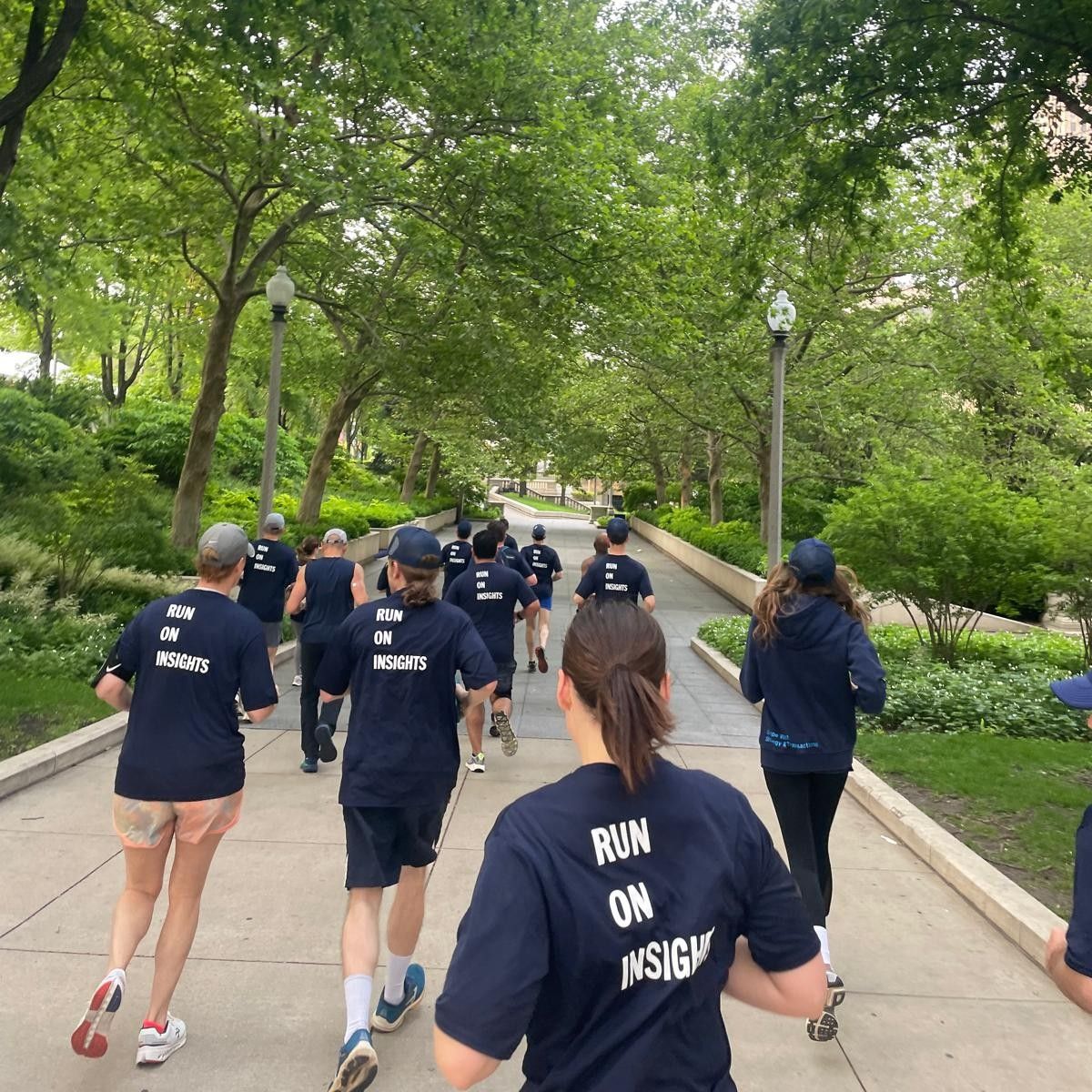
Join us on for a 5k run or walk along the Thames, starting and ending at the summit venue. Open to all delegates.


-
Kick off Day 1 with coffee and conversation in the Exhibition & Networking Area. Connect with fellow attendees before the morning's Opening Remarks and Keynote get underway.
Hosted by:

-
A warm welcome to the 2026 World Agri Tech Summit. Hear from the Rethink Events team on the key themes for this year's summit, and what you can look forward to over the next two days.

-
- What if resilience is no longer enough? Can we design agriculture to thrive on uncertainty - from climate shocks and geopolitical disruption to market volatility - rather than simply withstand it? What would it take to structurally align capital, technology, biology and business models so that stress becomes a source of adaptation and competitive advantage?
- Is “antifragility” real in agriculture, or just a compelling idea? Where are we seeing systems genuinely improve under stress, and where do they still break first - inputs, yields, margins, logistics or decision-making?
- How resilient is agriculture without its safety nets? How much of today’s resilience depends on subsidies, insurance, uninterrupted input supply and open trade - and what happens when those stabilisers fail at the same time?
- And where is the ceiling? Are there limits to how “antifragile” agriculture can become, or are we still designing farms and food systems around a fundamentally outdated assumption of stability?
Speakers



-
PRESENTATION
A rapid assessment of farm economics under rising input costs, climate risk and market volatility, drawing on evidence from European farm-level case studies.
- Where farms are reducing input dependency - and where economic exposure remains high
- How climate-resilient and sustainability-led practices perform economically in practice, not in theory

-
- How exposed is global food production to energy volatility, and how quickly does a price shock become a production crisis?
- Can fertiliser dependency realistically be reduced at scale, and do the risks look the same across Europe, Africa, and import-dependent regions?
- What happens to food systems when input supply is disrupted, and who absorbs the damage first?
- Should fertiliser and energy inputs be treated as strategic infrastructure in the same way critical minerals and energy networks are?
- Can the industry transition from fossil fuel-based synthetic inputs to more sustainable alternatives – circular, biological, and low-carbon?




-
-
The Biological Revolution
Featured Start-Ups: Atmonia, Bactobio, BioCloak, Bindbridge, ClimateCrop, Kelp Blue, Nordic Microbes, Omerna Biosolutions, Yngvi.bio

-
PRESENTATION
- Where do biostimulants, biocontrols, and biofertilisers sit today in terms of market size, growth trajectory, and share relative to synthetic inputs?
- What is driving uneven adoption across geographies and crop systems – and is it primarily regulatory, agronomic, or commercial?
- What does the investment and regulatory landscape look like heading into the next phase of scaling?

-
FIRESIDE CHAT
- Biologicals are often described as the next major wave of agricultural innovation. What needs to happen for these solutions to move from niche applications to mainstream adoption across European farming?
- Corteva has invested heavily in biological innovation. Where is the greatest untapped potential for biologicals to deliver both economic value for farmers and progress against Europe’s sustainability ambitions?
- As pressure grows to produce more with fewer resources, what role can biologicals play alongside seeds, crop protection, and digital technologies in shaping the future of European agriculture?
-
As the food and beverage industry shifts towards outcome-based regenerative agriculture, the open question is how to turn ambition into practical, scalable implementation — and Measurement, Reporting and Verification (MRV) sits at the centre of that gap.
Following the public release of SAI Platform's latest Regenerating Together (RT) Programme and Framework, this breakout session explores how digital tools and MRV providers can make outcome measurement and reporting more efficient, interoperable and cost-effective — even across companies that compete on every other front. The discussion will focus on the operational gap between defining outcomes and measuring them consistently across different commodities, production systems, crops and livestock.
Hosted by:





-
CASE STUDIES
This session focuses on how food production holds up under three very different kinds of extreme pressure - active war in Ukraine, chronic dryland food insecurity in Sub-Saharan Africa, and top-down food-system transformation in the Gulf. These lightning talks look at what breaks first, what adaptations have worked, and whether those lessons carry over between regions.
- Digitalisation as a Strategic Pillar of Ukrainian Agriculture During Wartime
Volodymyr Pugachov, Regional Director of Donau Soja Eastern Europe & Deputy Chair, Agricultural and Food Committee, UKRAINIAN CHAMBER OF COMMERCE - Funding at the Edge: How Innovative Financing is Shaping the Next Wave of Agtech in Africa
David Saunders, Director of Strategy and Growth, BRITER - When Every Drop Counts: AI, Water, and the Future of Farming
Jeff Macdonald, CSR Leader EMEA, IBM
- Digitalisation as a Strategic Pillar of Ukrainian Agriculture During Wartime
-
- Who captures most of the value in current carbon market structures, is it the farmer, or is value being extracted at the aggregation, verification, and corporate procurement layers before it reaches the farm gate?
- What breaks first at scale in carbon markets, trust in the underlying methodology, pricing mechanisms that cannot reflect the true cost of permanence, or verification systems that were never designed for agricultural complexity?
- Do carbon markets meaningfully change farming behaviour at field level, or do they primarily function as a corporate reporting mechanism with limited impact on how land is managed?
- Can carbon markets function credibly across the heterogeneous smallholder and dryland systems of the Global South, where verification is expensive?
-
Startups operate on fast, iterative timelines, while corporates and institutions plan in quarters or years. Hear directly from founders on how they've learned to work across that gap - setting realistic expectations, keeping momentum alive during long procurement or partnership cycles, and knowing when to push back versus when to adapt.
Hosted by:











-
Hosted by:

-
- Which agriculture technologies consistently deliver ROI at farm level, and which have failed to justify the investment, and why?
- What are the most common reasons promising technologies stall at the pilot stage and never reach meaningful adoption?
- Do farmers trust data-driven recommendations, and what would need to change for that trust to be established at scale?
- At what point does adoption of a given technology become economically unavoidable, and have any reached that threshold yet?
Speakers -
Join Cultivator as they spotlight the next generation of high-growth start-ups emerging from their acclaimed accelerator programme. This dynamic pitch session will showcase founders, offering a glimpse into the innovation, ambition, and entrepreneurial spirit driving Canada’s agriculture future.
Start-Ups: Yadag (CAD), Spornado (CAD), PheroSyn (UK), Aspia Space (UK), Agribot (UK), Bionema (UK), Flox (UK)
Hosted by:




-
- Is agtech ‘broken’ for venture capital, or is the real problem a one-size-fits-all VC playbook applied to companies whose growth, timelines, and exit profiles were never a fit for traditional venture returns?
- Does the 'cost-adoption gap' - where VC-funded solutions outrun what farms can afford or absorb - help explain why some capital-intensive, high-friction segments have struggled to scale, while more targeted, lower-friction solutions have kept attracting investment?
- If agtech's realistic exits sit closer to $200-300M at ~4x EBIT rather than software's 20x-revenue comps, does the entire venture playbook - fund timelines, growth milestones, unicorn narratives - need resetting for this sector?
- Are investors, founders, corporates, and governments willing to build fit-for-purpose funding structures - patient capital, blended finance, revenue-based financing, leasing, pay-per-use - or does the industry keep forcing agriculture into a model built for a different kind of business?





-
Scaling agritech requires navigating technical complexity, distribution barriers, regulatory friction, and investor expectations. Leaders from high‑growth companies share practical insight into the transition from pilots to robust commercial scale, with a focus on how capital and execution evolve from Series A to C. Find out more →
-
Although biologicals are widely regarded as the next wave of agricultural innovation, the path from promising science to reliable field performance remains uniquely challenging in Europe. A fragmented regulatory landscape, diverse cropping systems and variable field conditions mean that no single organisation can develop a biological solution for European farms independently.
Hosted by:






-
-
The Intelligent Farm & Food System
Featured Start-Ups: AgriGenX, AgriPass, Antobot, Bactery, BioSense Solutions, Ecosort AS, Entity, Moving Floor, Picker Ag

-
- How can the transition to more sustainable farming - including regenerative ag and other low-carbon farming systems - be financed fairly and at scale?
- Is transition finance bringing new investment into agriculture, or is it primarily redirecting existing capital, and what more is needed to unlock funding?
- How do banks, government policies, lending criteria, retailer sustainability requirements, and corporate supply chains influence which farming transitions can access finance?
- Who is benefiting from transition finance, and are smallholders and younger farmers being left behind by current financial models?
-
Discussion Themes
- What are your farmer, grower and aquaculture customers telling you they need most urgently?
- How do you test that you are solving a genuine on-farm or on-water problem rather than developing technology in search of a market?
- What have you changed — in the product, price or business model — after listening to end users?
- How do agri-tech businesses build trust, demonstrate value and earn the right to scale?
- What stands in the way of adoption, and what can technology businesses do themselves to make solutions practical, accessible and affordable?
Closing Question
What is one thing agri-tech businesses must do differently to stay closer to end users and accelerate adoption?
Hosted by:









-
FIRESIDE CHAT
- How is agricultural risk being managed in an era of increasing climate volatility and why have insurance systems struggled to keep pace?
- Who absorbs systemic agricultural shocks today: farmers, insurers, governments, or supply chains?
- Are parametric insurance solutions sufficient for large-scale, systemic climate events or do they paper over deeper structural gaps?
- How does risk exposure vary across regions, and what role can satellite data, climate modelling and increasingly granular risk information play in better understanding these variations?
- Are existing insurance frameworks adequate for the realities of a changing climate or does the model itself need to change?



-
The tables are turned. Founders question investors - not the other way around. What does genuine partnership look like beyond the term sheet? What does support beyond capital mean when field data is years away and regulatory pathways are anything but straightforward? And how do you build a relationship that holds up when things get hard?
Early-stage founders put leading agri-investors in the hot seat, probing the questions that rarely get asked in a pitch room: how investors really behave when a start-up is struggling, what rights they exercise and why, and whether patient capital is a genuine commitment or just a talking point.
-
Most agritech gets built elsewhere and then ‘fitted’ to the farm, road-tested only after it’s already for sale. This session makes the case for a better pipeline: ventures road-tested on farm from day one, with farmers as value creators rather than just waste suppliers.
Key questions on the table
-
What separates farm-first ventures from the rest, for both product-market fit and deal flow?
-
How do founder-farmer relationships get built on trust rather than transactions?
-
What are the economics — returns on capital, cost-of-production pressures — that make or break this category?
Hosted by:

-








-
Let us raise a glass to a great first day! You are invited to join us in the exhibition area for networking drinks for the chance to unwind and continue the day’s conversations in a relaxed setting.
-
NETWORKING BREAKFAST
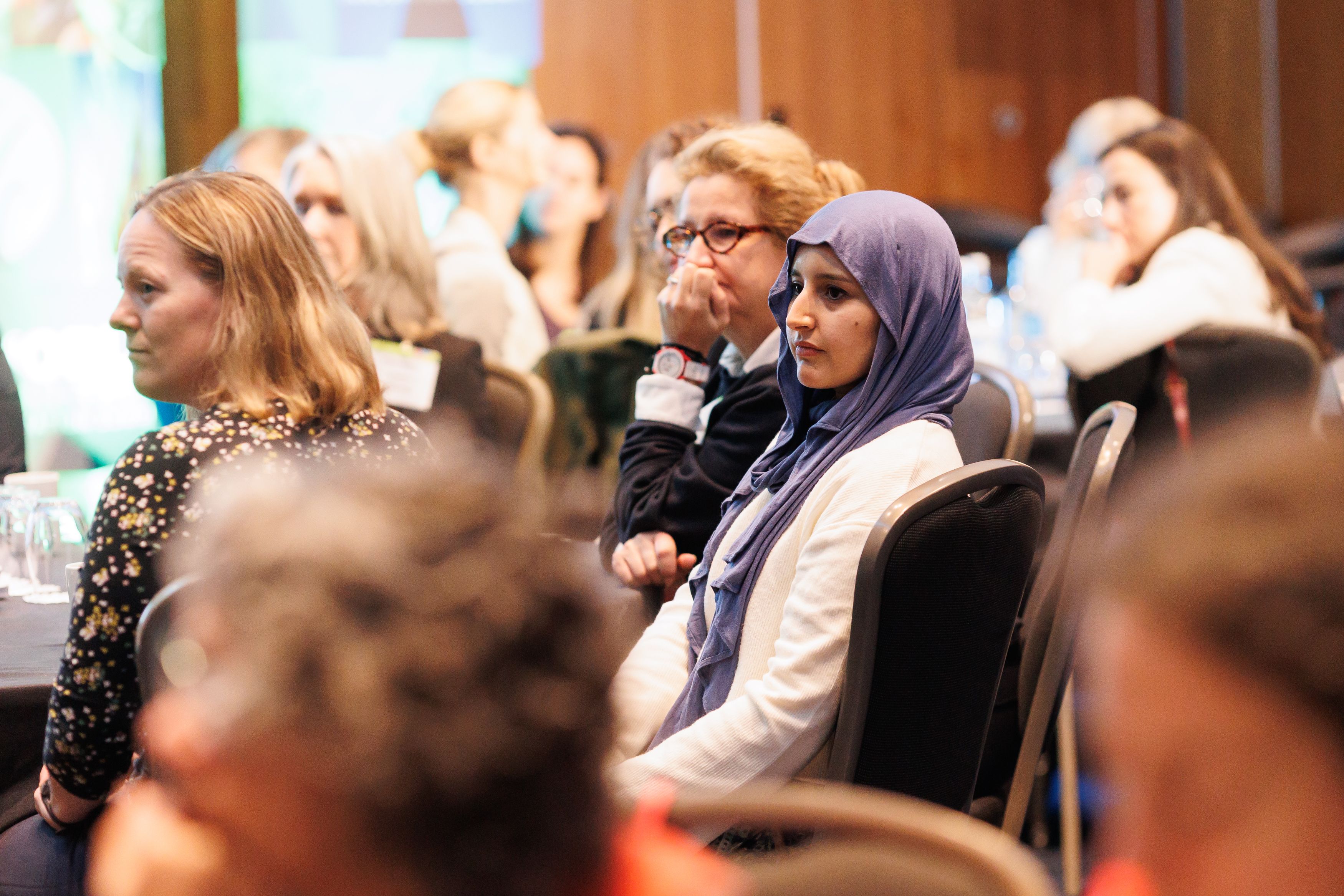
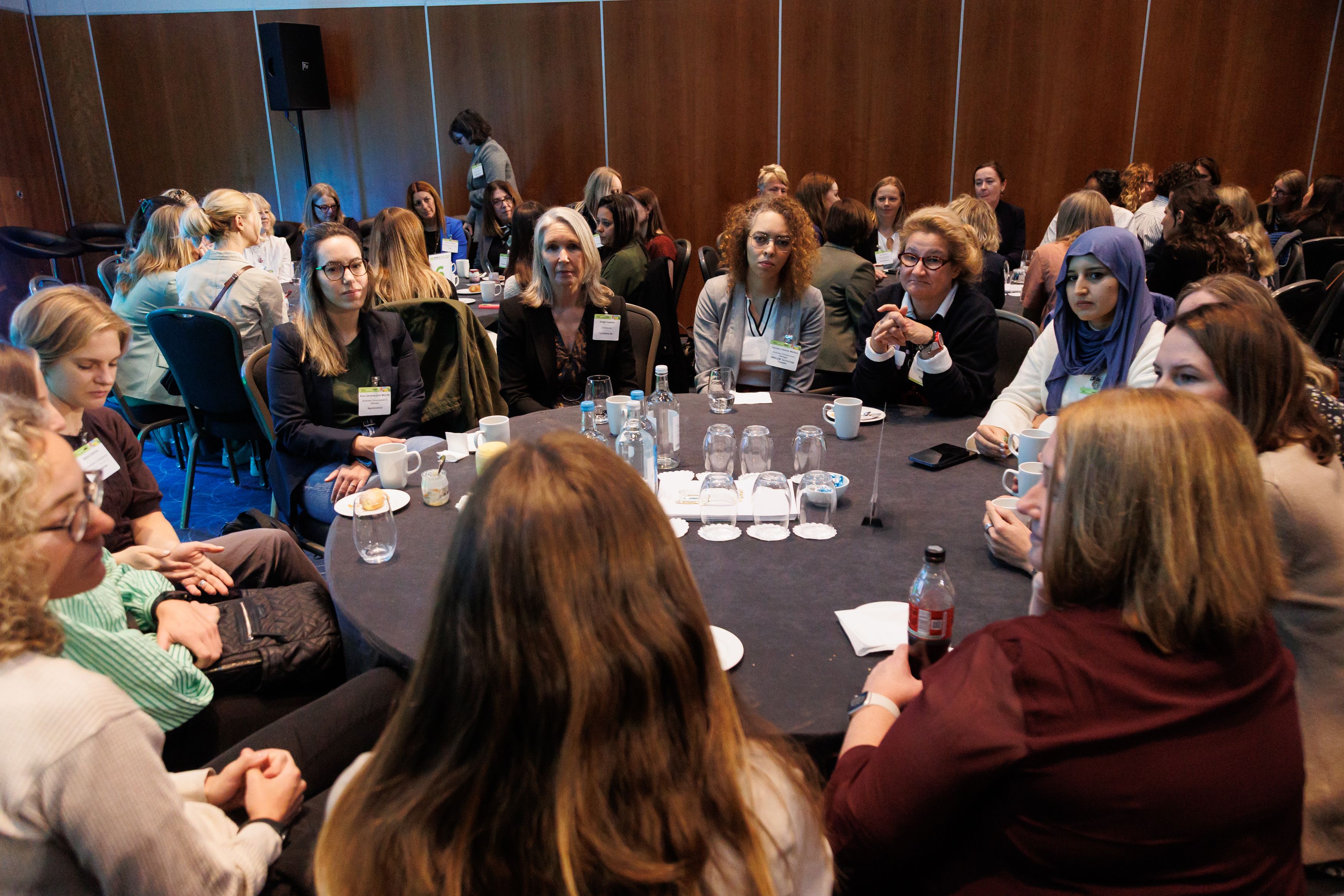
Join us for a morning of meaningful networking and conversation celebrating the women who are driving innovation and impact across agriculture today. Through candid discussions on mentorship, resilience, leadership journeys, and inclusive networks, we will explore how the sector can better support, retain, and elevate the next generation of diverse female talent.Open to all women attending the summit.
 Host
Host

-
An introduction to the second day of the summit, highlighting key learnings from the previous day and sharing key highlights for the day ahead.
-
- Where will we see full autonomy on the farm - will it be general purpose devices such as headless tractors, or task specific appliances like laser weeders?
- Which strategy is the most likely to succeed - or go first? Automation layered onto existing equipment, or a shift toward fully autonomous system architectures?
- When it comes to data ownership and interoperability, does the EU Data Act meaningfully shift the balance of power between farmers and OEMs? Given that data is only useful for AI training when pooled into large, diverse datasets - and not much use when kept isolated - is there a mechanism for data sharing?
- Which is the better strategy for autonomy companies: Raas (lease) or equipment sale (perhaps with ongoing annual fees)?
- How important is interoperability between autonomous machines - and are OEMs incentivized to create a truly open system?
Speakers





-
CASE STUDY
This session highlights gene editing’s growing role in accelerating targeted trait development and improving crop performance.

-
- How will differing regulatory approaches, between regions already cultivating gene-edited crops and more restrictive markets, shape global trade and market access?
- How is the competitive landscape evolving as some countries move into commercial cultivation while others remain in trial or policy transition, and what does this mean for where innovation and investment are concentrated?
- How do approval speed, regulatory certainty, and policy direction determine not only where gene-edited crops are deployed, but how quickly they can move from discovery into scaled use?
- What factors will ultimately determine leadership in the gene-editing landscape over the next decade, scientific capability, regulatory agility, or the ability to translate innovation into real-world adoption through effective collaboration across industry, startups, and academia?
Speakers -
As agentic AI moves from experimentation to real-world deployment, this session explores where it can genuinely transform the food and ag system today. The workshop will also examine which tasks are best suited to autonomous AI systems, the criteria for deciding where to deploy now, the companies leading the charge, and the critical questions of governance, accountability, and liability when machines make the decisions.






-
-
10:35-10:45 | Scale-Up Innovation Spotlight
Discover emerging innovation through fast-paced pitches from Generare and PlantArc Bio, highlighting new technologies with the potential to transform agriculture and food production.

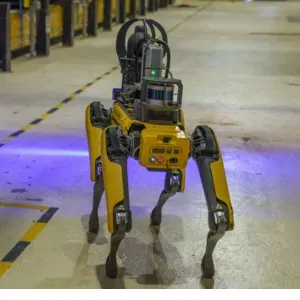
10:45-11:10 | Robotics on the Plant Floor: How Cargill is Advancing Smart Manufacturing in Oilseed Crushing
What happens when AI and automation enter an oilseed crushing environment? Join Cargill and Boston Dynamics for a discussion and Q&A exploring how Spot is being used within Cargill’s operations, the lessons emerging from its implementation and what agri-food companies should consider when evaluating robotics for their own facilities.
Following the session, Cargill and Boston Dynamics will have a walkthrough of the exhibition to show Spot the Dog

-
PRESENTATION
- How are climate resilience priorities reshaping strategies across the food and agriculture sector?
- What role are Scope 3 emissions, SBTi commitments, and broader sustainability goals playing in business decision-making?
- Where are businesses focusing investment and resources to drive measurable progress and long-term resilience?
-
CASE STUDY
How an adaptive approach to soil management can conserve and rehabilitate entire food and farming systems while supporting soil health principles. -
IFA Cultivate Challenge returns with its second edition, spotlighting the innovations shaping the future of plant nutrition and how they improve efficiency while strengthening nutrient resilience across the globe.
Cultivate Challenge partners and a select group of finalists will showcase their leading-edge technologies addressing enhanced efficiency across nutrient production, application, and release.
Attendees will learn how the IFA Innovation Hub connects corporates, investors, and entrepreneurs to help scale promising innovations and transform innovative ideas into practical impact to support in feeding the world sustainably.
Hosted by:





-
- Which crop systems and regions are generating consistent economic returns from regenerative practice, and what do the best-case studies tell us about the conditions and support structures needed to replicate that at commercial scale?
- Where do the most persistent barriers to adoption lie, and what financing models, transition support, and supply chain partnerships are proving most effective at moving farmers from ambition to execution?
- Can digital tools, AI and better farm-level data reduce the cost and complexity of measuring and verifying regenerative outcomes?
- How are leading businesses building the commercial case for regenerative transitions and does combining incentives, carbon markets, and consumer engagement drive mainstream adoption?
Speakers



-
📅Secure your place at the table from 4 September via the event app. Limited spaces available!
-
📅Secure your place at the table from 4 September via the event app. Limited spaces available!
-
📅Secure your place at the table from 4 September via the event app. Limited spaces available!
-
📅Secure your place at the table from 4 September via the event app. Limited spaces available!
-
📅Secure your place at the table from 4 September via the event app. Limited spaces available!
-
📅Secure your place at the table from 4 September via the event app. Limited spaces available!
-
📅Secure your place at the table from 4 September via the event app. Limited spaces available!
-
📅Secure your place at the table from 4 September via the event app. Limited spaces available!
-
📅Secure your place at the table from 4 September via the event app. Limited spaces available!
-
📅Secure your place at the table from 4 September via the event app. Limited spaces available!







-
- Does the next major value opportunity for farmers lie in nutritional and quality traits - such as antioxidant content, reduced acrylamide formation, protein quality or fibre functionality - and if so, which of these traits can already be measured, proven and commercialised at scale in ways that translate into better margins on the farm?
- How are mills, processors and ingredient companies moving from "one big silo" towards identity-preserved supply chains and segregation based on nutritional or functional characteristics? Where does this transition genuinely stand today and what still limits broader adoption?
- Can food genuinely function as preventative health, and what level of scientific evidence is required before food manufacturers and ingredient buyers are willing to pay for measurable health outcomes?
- If nutritional traits become economically valuable, who ultimately captures that value across the chain - from breeders and farmers to processors, food manufacturers and healthcare?
- Where are the greatest innovation and investment opportunities at the intersection of plant breeding, agriculture, nutrition and health?
Speakers




-
FIRESIDE CHAT
- What does it take to secure water for a growing season as scarcity continues to worsen?
- How can governments balance food production with environmental flows and long-term water resilience?
- Where can technology, from soil moisture sensing and precision irrigation to water-use monitoring, make the biggest difference in reducing demand without compromising yield or quality?
- What needs to change over the next five years to keep agriculture water-secure?


-
- Who is truly capturing the value created by agri-tech innovation – farmers, technology providers, investors, or the wider food supply chain – and as capital flows into agriculture, can family farms stay competitive, or will scale increasingly determine who invests, grows, and survives?
- Are we solving real productivity and resilience problems in agriculture, or primarily funding technologies that improve efficiency for intermediaries rather than farms?
- Why is adoption of proven agri-tech solutions still inconsistent across farms – is the real barrier cost, trust, complexity, or misaligned incentives – and can current financing models support both farm succession and technology adoption, or are they making transition harder for the next generation?
- Can current policy frameworks support disruptive innovation, or are they structurally preserving the status quo?
- Is the future of farming becoming more autonomous and data-driven in a way that strengthens rural economies – or concentrates control and risk in fewer global actors?


)
)
)
)
)
)
)
)
)
)
)
)
)
)
)
)